
Are you experiencing jaw pain, headaches, or difficulty opening your mouth comfortably? These could be signs of TMJ disorder. In some cases, TMJ care may involve restorative dentistry to correct bite issues and reduce strain on the jaw. Dr. Alison Defilippi specializes in diagnosing and treating TMJ disorders in Reno, NV.
Your dentist is here to help you find TMJ relief and enjoy a pain-free, healthy jaw. At Dr. Teeth, we take a gentle, personalized approach to TMJ care. We address the root of the problem and support long-term comfort and function.
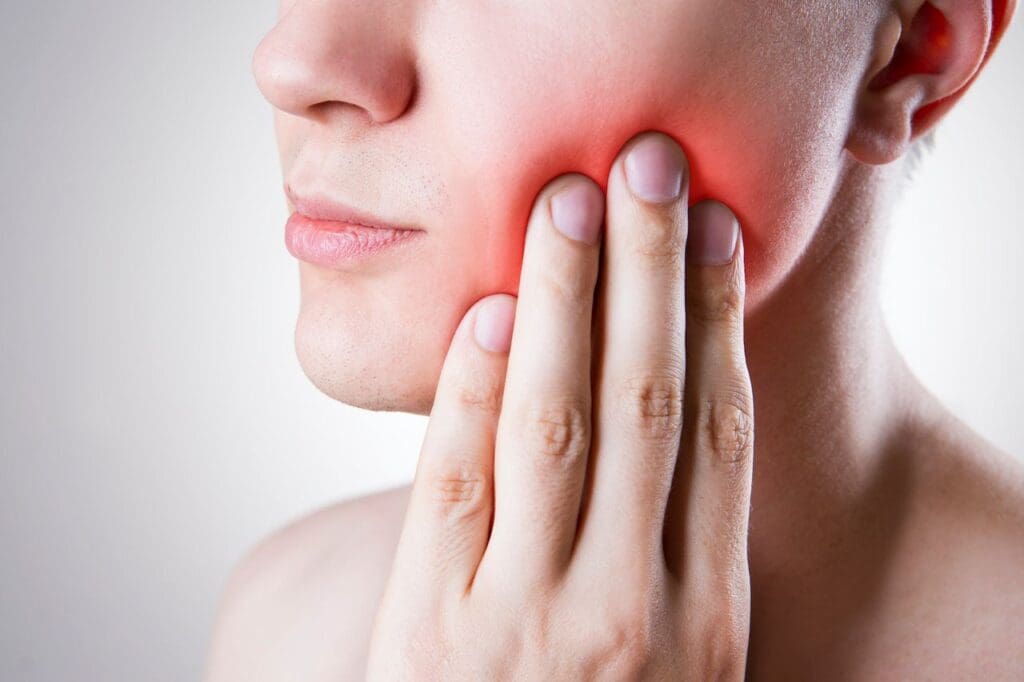
What is TMJ Disorder?
TMJ disorder, or TMD, is a condition that affects the temporomandibular joints, which are located on each side of your jaw. These joints enable you to open and close your mouth, chew, and speak. When there’s dysfunction in the joints, you may experience pain, limited jaw movement, and other discomforts. You can develop a TMJ disorder from teeth grinding (bruxism), stress, jaw injury, arthritis, or misalignment.
Many patients may not realize they have TMJ because they clench their jaw and grind their teeth during sleep. If you wake up with a sore jaw, tightness in your face, or frequent headaches, it could be a sign that you’re grinding your teeth at night.
Even if you’re not aware of it, our dentist can often spot the signs during a regular exam. Our office can also look for tooth wear or measure your jaw, difficulty opening your jaw could be a sign that you have jaw problems.
Common Symptoms of TMJ Disorders
TMJ disorder presents a variety of symptoms that can make daily activities difficult or painful. If you experience any of the following symptoms, TMJ treatment could help:
- Jaw pain or tenderness
- Clicking or popping sounds when opening or closing your mouth
- Difficulty or discomfort while chewing
- Locking of the jaw in an open or closed position
- Frequent headaches or neck pain
- Earaches or a feeling of fullness in the ears
These symptoms may vary in severity and can sometimes come and go. Dr. Defilippi can assess your jaw and discuss a treatment plan to relieve your symptoms and improve your jaw function.
TMJ Treatment Options at Dr. Teeth
If you suspect you have TMJ, Dr. Defilippi will examine your bite and take X-rays if needed. A TMJ exam helps us find uneven areas of wear, dislocation, or inflammation. We offer a variety of TMJ treatments designed to address both the symptoms and causes of TMJ disorder.
Custom Oral Appliances
One of the most effective non-surgical options for TMJ treatment is a custom-made oral appliance, often called a night guard or splint. You can wear these appliances over the teeth to help reduce pressure on the jaw joints and prevent teeth grinding.
You can get a TMJ night guard in just two office visits. At your first visit, our dentist will take impressions of your teeth. We send these dental impressions to a local dental lab, where technicians create your appliance from hard plastic.
You’ll return to our office after several weeks, and we’ll adjust the night guard so your teeth and the guard come together evenly. Custom appliances fit your bite precisely and offer a comfortable, protective solution for nighttime or daytime use.
Bite Adjustment Therapy
If your TMJ disorder is caused by an uneven bite, bite adjustment therapy can help. This treatment involves gently reshaping certain teeth to improve the way your teeth come together. We may recommend treatments for crooked teeth like clear aligners, dental crowns for worn teeth, or even bonding if you have chipped teeth. A bite adjustment will create a balanced bite and help relax your jaw.
Stress-Relief Techniques
Stress is a common contributor to TMJ pain, especially for those who clench or grind their teeth when tense. Dr. Defilippi can discuss stress-relief techniques to help reduce jaw tension. She may recommend jaw exercises, mindful relaxation practices, and techniques to minimize the impact of stress on your TMJ.
What Can I Do if I Have a TMJ Flare Up?
A TMJ flare-up can happen when the joint that connects your jaw to your skull becomes irritated or overworked. This can be caused by stress, teeth grinding, a jaw injury, or even chewing too much. You might feel pain in your jaw, have trouble opening your mouth, or hear clicking or popping sounds. If you’re dealing with a TMJ flare-up, you can do a few things at home to help relieve the discomfort:
- Use Heat: Apply a warm compress or heating pad to the side of your jaw for 15 to 20 minutes at a time. Heat can relax the muscles and reduce pain. We recommend heat over cold if you have muscle tension from an old injury or continual strain.
- Take Medication: Over-the-counter pain relievers like ibuprofen or acetaminophen can help reduce pain and swelling. We may also recommend mild muscle relaxants to take before bed. Always follow the directions on the label or ask your doctor for advice.
- Eat Soft Foods: Give your jaw a break by eating soft foods. Eat soup, yogurt, scrambled eggs, or smoothies for a week or two. Avoid hard, crunchy, or chewy foods that can make the pain worse.
- Massage and Use Jaw Exercises: Gently massaging your jaw and doing light jaw exercises may help improve movement and ease tension. You can also visit a physical therapist for TMJ exercises and facial massages. Physical therapy can relax the muscles in the upper body and reduce TMJ symptoms.
If you still don’t see improvement and haven’t gotten professional TMJ treatment, contact Dr. Teeth. We’ll examine your teeth, jaw, and bite. Then we’ll recommend a custom treatment plan to help you feel better and protect your jaw long-term.
Frequently Asked Questions
Read answers to popular questions about TMJ disorders in Reno, NV.
Does TMJ go away on its own?
TMJ problems don’t always go away on their own. Some mild cases may improve with time, rest, or simple lifestyle changes. However, many people continue to experience jaw pain, clicking, or headaches if they don’t address the underlying issue.
Dr. Defilippi will provide a proper evaluation so you don’t have to wait to see if symptoms resolve. Early treatment can prevent your TMJ from worsening. It can also help you avoid chronic pain, difficulty chewing, or joint damage.
What’s the difference between TMJ and TMD?
While we may use TMJ and TMD interchangeably, TMD stands for temporomandibular disorder.
TMJ stands for temporomandibular joint. This is the actual joint that connects your lower jaw to your skull on both sides of your face. Everyone has two TMJ joints, one on the left and one on the right. These joints allow you to open and close your mouth, chew food, and talk.
How long does it take for a TMJ night guard to work?
For the first few days to a week, your mouth may feel a bit strange as you get used to wearing the night guard. You might notice less jaw soreness in the mornings right away.
After 2 to 4 weeks, most patients see a noticeable reduction in jaw pain, headaches, and teeth grinding. Your jaw muscles start to relax as the night guard reduces pressure on your joints. Then after 1 to 3 months, you should experience significant improvement in your symptoms. Many patients report much less pain and better jaw function.
How can posture affect my TMJ problems?
Your posture plays a bigger role in TMJ disorder than you might think. When you slouch or hold your head in an awkward position for long periods, it puts extra strain on your jaw muscles and joints.
To improve your posture:
- Keep your screen at eye level so you’re not looking down
- Sit up straight with your shoulders back
- Take frequent breaks to stretch your neck and shoulders
- Position your computer monitor so you look straight ahead, not down
- Hold your phone up instead of bending your neck down to look at it
Can TMJ cause ear pain or ringing in the ears?
When your jaw joint becomes inflamed or misaligned, it can put pressure on the nerves and muscles near your ear. This pressure can make you feel like you have an earache, even though there’s nothing wrong with your ear itself.
You might experience:
- A feeling of fullness or pressure in your ears
- Ringing, buzzing, or humming sounds (tinnitus)
- Dull or sharp ear pain
- Muffled hearing
- Dizziness or balance problems
If you have ear pain along with headaches or jaw soreness, you likely have a TMJ disorder.
How is TMJ linked to sleep apnea?
When your TMJ isn’t working properly, it can affect the position of your jaw. If your jaw sits too far back, it can push your tongue backward and narrow your airway. This makes it harder to breathe while you sleep, which can lead to or worsen sleep apnea.
Sleep apnea happens when your breathing repeatedly stops and starts during sleep because your airway becomes blocked. People with TMJ disorder often have a jaw position that increases the risk of airway blockage.
Schedule a TMJ Consultation
Relieve jaw pain and morning headaches at Dr. Teeth. Call (775) 829-9929 for care from a TMJ specialist in Reno, NV. You can also request an appointment with Dr. Defilippi online. Serving Spanish Springs, Sparks, Sun Valley, and Midtown.